
Last Updated: July 2026 | Reading Time: 15 Minutes | Reviewed by: Affiliate Partnership Team
I still remember the moment I realised I had been looking at affiliate marketing the wrong way.
After publishing dozens of blog posts, testing different affiliate programs, and watching small commissions slowly arrive, I opened my dashboard one evening and started calculating how many sales I’d actually need to replace a full-time income.
The numbers weren’t encouraging.
If one product paid just £8 or £12 per sale, I’d need hundreds of successful referrals every month just to build a reliable business.
That wasn’t impossible—but it certainly wasn’t efficient.
Later that week, while researching successful affiliate publishers, I noticed something interesting.
Many of the websites earning the most weren’t generating thousands of daily sales. Instead, they focused on helping people choose premium products and services that genuinely solved expensive problems.
One qualified customer could sometimes generate more commission than fifty low-cost purchases.
That completely changed how I approached affiliate marketing.
Instead of asking, “How can I get more clicks?”, I started asking a much better question:
“How can I help someone make an important buying decision?”
That’s the real foundation of successful high ticket affiliate marketing.
It isn’t about chasing expensive products.
It’s about building enough trust that people value your recommendation when they’re ready to invest in a premium solution.
Whether you’re a blogger, YouTuber, influencer, publisher, agency, or content creator, understanding this business model can completely change how you think about affiliate income.
Quick Answer
High ticket affiliate marketing is a performance marketing strategy where affiliates promote premium products or services that generate significantly larger commissions per successful sale. Instead of relying on hundreds of low-value conversions, publishers focus on helping qualified buyers choose higher-value solutions such as SaaS software, business services, online education platforms, premium hosting, and enterprise tools. Success comes from building trust, creating genuinely helpful content, and attracting visitors with strong buying intent—not from simply posting affiliate links.
Key Takeaways
- High-ticket affiliate marketing focuses on earning larger commissions from fewer, higher-quality sales.
- Trust, authority, and helpful content influence conversions more than commission percentages.
- SaaS software, online education, finance, creator tools, and business services remain some of the strongest high-ticket industries.
- Successful affiliate publishers build long-term systems instead of chasing quick wins.
- Choosing products that genuinely fit your audience usually produces better results than promoting the highest-paying offer available.
Table of Contents
What Is High Ticket Affiliate Marketing?
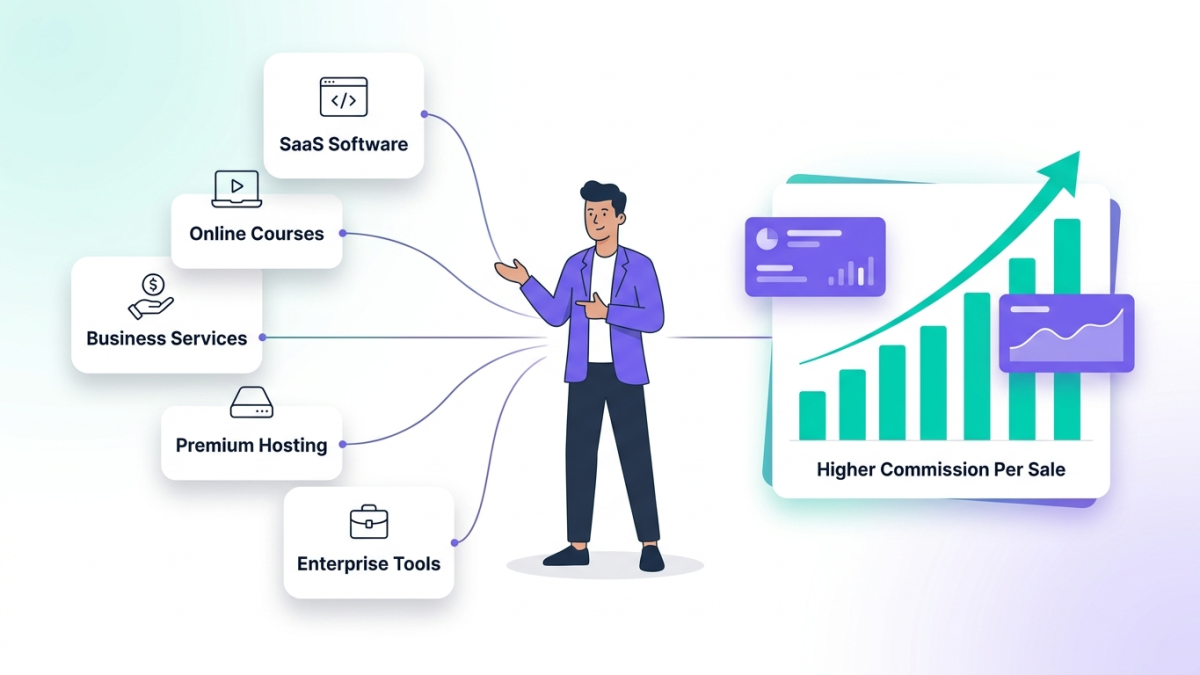
High ticket affiliate marketing is a business model where publishers, bloggers, influencers, and content creators earn larger commissions by recommending premium products or services instead of inexpensive consumer items.
Rather than generating hundreds of small commissions every month, the objective is to attract highly qualified buyers who are actively researching solutions before making an important purchase.
These products often include:
- SaaS software subscriptions
- Business and marketing platforms
- Premium web hosting services
- Professional online education platforms
- Business consulting services
- Creator economy tools
- Enterprise software solutions
- High-value financial services (where permitted)
Although the commission per sale is usually much higher, success depends far more on credibility than aggressive selling.
People spending hundreds or even thousands of pounds don’t buy because they saw an affiliate link.
They buy because someone helped them understand their options, answered their questions honestly, and gave them confidence that they were making the right decision.
That’s why high-ticket affiliate marketing rewards expertise, transparency, and long-term authority far more than shortcuts.
How High Ticket Affiliate Marketing Works
At first glance, high ticket affiliate marketing looks almost identical to traditional affiliate marketing. You join an affiliate program, receive a unique tracking link, recommend products, and earn commissions whenever someone completes a qualified purchase. But once you look behind the scenes, the strategy is completely different. Instead of trying to convince hundreds of casual visitors to buy inexpensive products, high-ticket affiliates focus on helping a much smaller group of highly motivated buyers make informed purchasing decisions. That difference changes everything—from the content you create to the keywords you target and even the traffic sources you prioritise. Most successful publishers spend far more time educating potential buyers than promoting products. They answer questions, compare solutions, publish tutorials, explain pricing, and share practical insights before ever recommending a product. By the time a visitor clicks an affiliate link, much of the selling has already been done through trust and education.The High-Ticket Affiliate Process
A typical high-ticket affiliate campaign usually follows this journey:- A company creates a premium product or service.
- The business launches an affiliate programme.
- A publisher, blogger, YouTuber, influencer, or creator joins the programme.
- The affiliate receives a unique tracking link.
- Helpful content attracts potential customers through Google, YouTube, newsletters, or social media.
- The visitor researches the product and decides to purchase.
- The tracking system records the referral.
- The affiliate earns a commission after the sale is verified.
- Click-through rate (CTR)
- Conversion rate
- Earnings per click (EPC)
- Customer lifetime value (LTV)
- Recurring subscription revenue
- Traffic quality
- Campaign performance
- Publisher performance
High Ticket vs Low Ticket Affiliate Marketing
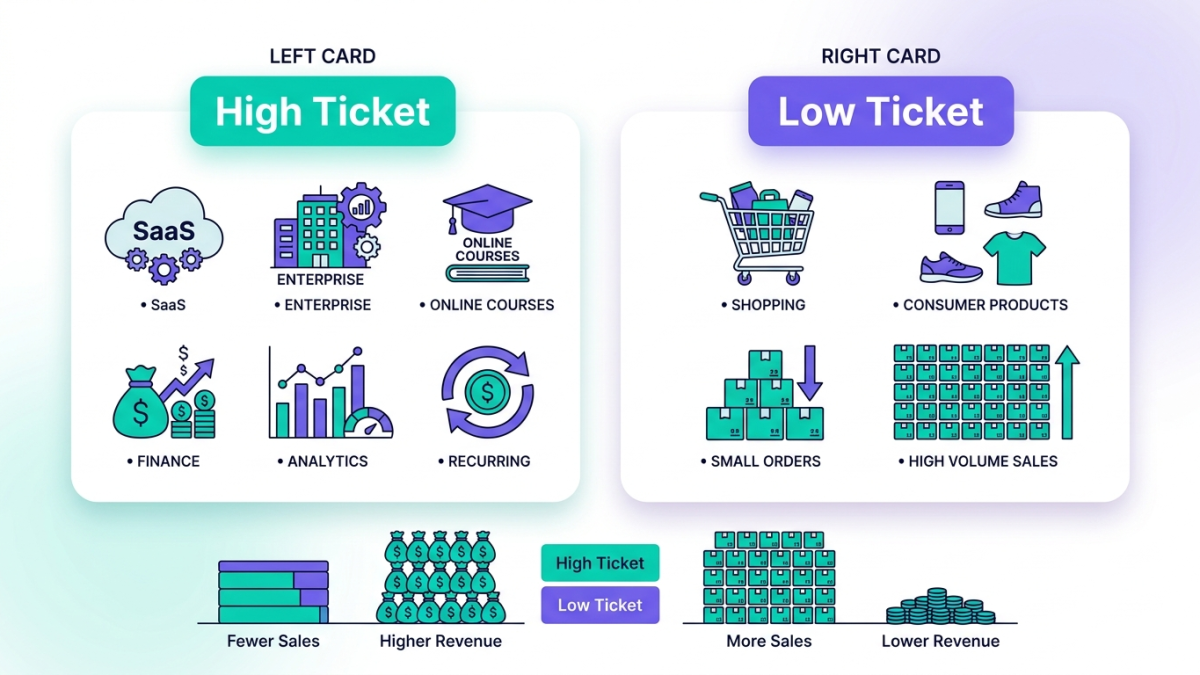
One of the biggest misconceptions is that high-ticket affiliate marketing simply means promoting expensive products. Price is only one part of the equation. The real difference lies in customer intent, buying behaviour, and the amount of trust required before a purchase happens. Someone purchasing a £25 gadget may decide within minutes. Someone investing £2,000 in business software could spend several weeks comparing alternatives before making a final decision. That longer decision-making process creates opportunities for publishers who produce genuinely helpful content.| High Ticket Affiliate Marketing | Low Ticket Affiliate Marketing |
|---|---|
| Large commission per sale | Small commission per sale |
| Fewer conversions required | Higher sales volume required |
| Longer customer research process | Faster buying decisions |
| Authority-driven content | Promotion-focused content |
| Premium SaaS, education, finance, enterprise products | General consumer products |
| Higher lifetime customer value | Lower customer value |
Why High Ticket Affiliate Marketing Appeals to Professional Publishers
- Higher commission potential from every successful referral.
- Recurring monthly commissions from subscription-based services.
- Better support from advertisers.
- Higher-quality marketing materials.
- Professional tracking and reporting systems.
- Long-term customer relationships.
Is High Ticket Affiliate Marketing Legit?
One of the first questions almost every beginner asks is:
“Is high ticket affiliate marketing actually legitimate, or is it just another online business trend?”
The short answer is yes—it is absolutely legitimate.
Many of the world’s largest technology companies, software providers, online education platforms, financial services, and digital businesses invest millions every year into affiliate partnerships because performance marketing allows them to acquire customers without paying upfront advertising costs.
Instead of spending large budgets on uncertain advertising campaigns, businesses reward publishers only when real conversions happen.
It’s a model that benefits everyone involved:
- Customers discover useful products through trusted recommendations.
- Publishers earn commissions for creating valuable content.
- Advertisers acquire qualified customers with measurable ROI.
However, high-ticket affiliate marketing has developed a poor reputation in some areas because of misleading advertisements promising overnight success.
You’ve probably seen headlines like:
- “Earn £10,000 next month with one secret system.”
- “No website. No experience. No work.”
- “Copy this funnel and become financially free.”
Those promises are rarely realistic.
Professional affiliate publishers know that sustainable income comes from solving real problems—not chasing shortcuts.
Building authority, publishing useful content, understanding search intent, and continuously improving campaigns are what create long-term results.
Reality Check
High-ticket affiliate marketing is not a shortcut to wealth. It’s a scalable publishing business that rewards expertise, trust, consistency, and long-term audience building.
Real High Ticket Affiliate Marketing Examples
Understanding how experienced publishers approach affiliate marketing is often more valuable than simply reading definitions.
Below are some practical examples that demonstrate how successful affiliate businesses operate.
Example 1 — SaaS Review Website
A publisher builds a website focused entirely on helping businesses choose software.
Instead of writing generic product descriptions, they publish:
- Detailed software reviews
- Comparison guides
- Pricing breakdowns
- Best alternatives
- Step-by-step tutorials
Visitors searching Google for buying advice already have commercial intent, making this one of the strongest affiliate strategies available.
Example 2 — YouTube Technology Creator
A content creator regularly demonstrates marketing tools, AI software, website builders, or productivity platforms.
Rather than simply telling viewers to buy something, they show:
- Real dashboards
- Feature walkthroughs
- Personal workflows
- Advantages and disadvantages
- Actual use cases
Because viewers can see the product in action, trust naturally increases, leading to higher conversion rates.
Example 3 — Educational Blog
A blogger teaches readers how to build an online business.
Instead of publishing hundreds of random articles, they create a complete learning journey covering:
- Website creation
- Email marketing
- SEO
- Content marketing
- Analytics
- Affiliate monetisation
Each guide naturally recommends premium tools that genuinely help readers progress.
The affiliate recommendation becomes part of the education rather than a sales pitch.
Highest Paying High Ticket Affiliate Marketing Industries
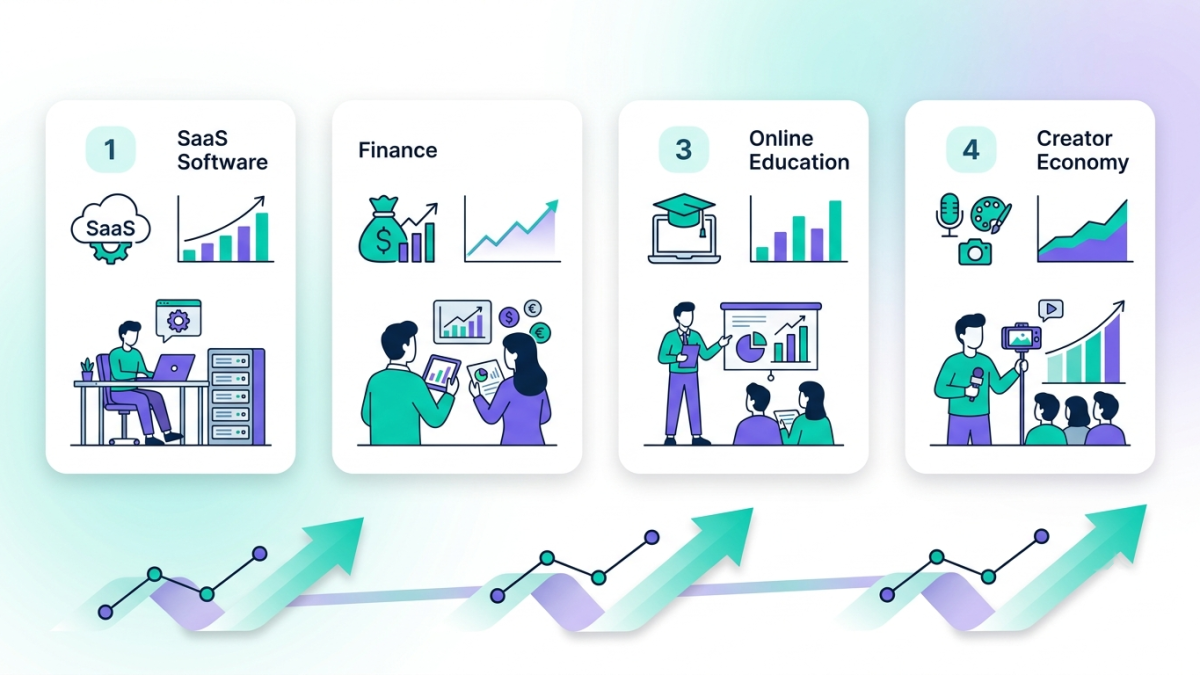
Not every niche offers the same earning potential.
Some industries naturally generate higher commissions because customer lifetime value is significantly greater.
Professional publishers often specialise in one of these sectors instead of trying to promote everything.
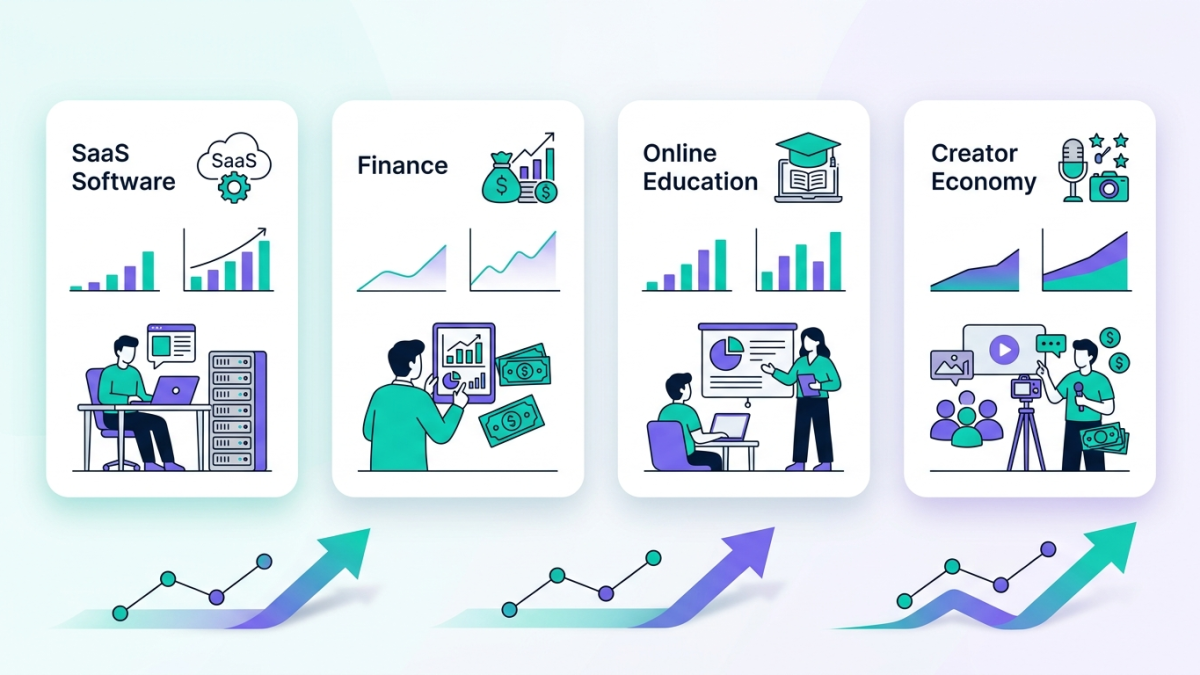
SaaS (Software as a Service)
SaaS remains one of the strongest high-ticket affiliate industries because businesses rely on software every day.
Popular categories include:
- Email marketing platforms
- CRM software
- SEO tools
- Project management systems
- Automation software
- Analytics platforms
- AI productivity tools
Many SaaS companies also offer recurring commissions, allowing publishers to earn monthly income while referred customers remain subscribed.
Finance
Financial products typically have high customer values, which often translates into attractive affiliate commissions.
Common examples include:
- Business banking
- Investment platforms
- Accounting software
- Tax management tools
- Financial planning services
This niche demands greater responsibility because accuracy and transparency directly affect user trust.
Online Education
The global online learning industry continues expanding as professionals invest in upgrading their skills.
High-ticket education products include:
- Business coaching
- Professional certifications
- Coding bootcamps
- Marketing courses
- Course creation platforms
Platforms such as Teachable have become popular examples because they allow creators to build and sell premium educational products while also providing affiliate opportunities.
Creator Economy
The creator economy has introduced an entirely new category of high-ticket affiliate opportunities.
Instead of recommending physical products, creators often promote software and services that help other creators grow their businesses.
Examples include:
- Video editing software
- Design platforms
- Newsletter software
- Membership platforms
- Course builders
- Creator monetisation tools
Because these products directly support business growth, creators are often willing to invest more when they find a solution that genuinely improves their workflow.
For publishers targeting entrepreneurs, freelancers, agencies, influencers, or digital creators, this has become one of the fastest-growing high-ticket markets.
Best High Ticket Affiliate Programs for Beginners and Professionals
Finding a high-ticket affiliate programme isn’t difficult. Finding one that consistently converts, pays fairly, and supports long-term growth is a completely different challenge.
One mistake I made early on was focusing only on commission percentages.
A programme offering a 50% commission looked amazing until I realised the company had poor customer support, weak conversion rates, and almost no brand recognition. Despite the impressive commission, very few visitors actually purchased.
Over time, I learned that the strongest affiliate programmes usually have something much more valuable than high commission rates—they have products that people already trust.
When evaluating any high-ticket affiliate opportunity, I now look at five things before joining:
- Product quality and market reputation.
- Transparent commission structure.
- Reliable tracking technology.
- Professional affiliate support.
- Long-term earning potential.
If those five areas are strong, commission percentage becomes much less important because conversions naturally improve.
1. SaaS Affiliate Programs
Software-as-a-Service (SaaS) continues to dominate high-ticket affiliate marketing because businesses invest heavily in tools that improve productivity, marketing, communication, automation, and sales.
Many SaaS companies also reward affiliates with recurring commissions, allowing publishers to earn monthly income for as long as the referred customer remains subscribed.
Popular SaaS Categories
- Email Marketing Platforms
- CRM Software
- SEO Tools
- Project Management Software
- AI Productivity Platforms
- Website Builders
- Automation Software
- Analytics Platforms
Instead of promoting dozens of unrelated software products, successful publishers usually specialise in one category and become recognised as an expert within that niche.
2. Online Education Affiliate Programs
Online education has become one of the fastest-growing industries over the last decade.
People regularly invest hundreds—or even thousands—of pounds in courses that help them build businesses, develop careers, or learn valuable skills.
Popular educational affiliate opportunities include:
- Business Coaching
- Professional Certifications
- Marketing Courses
- Programming Bootcamps
- Language Learning Platforms
- Course Creation Software
One well-known example is the Teachable Affiliate Program, which allows publishers and creators to earn commissions by recommending one of the world’s leading online course platforms.
Because creators often stay subscribed for years, educational software can become an excellent recurring revenue opportunity.
3. Premium Finance & Business Services
Financial products often provide some of the highest customer lifetime values in affiliate marketing.
Examples include:
- Business Banking
- Accounting Software
- Tax Management Tools
- Investment Platforms
- Business Insurance Services
- Payment Processing Solutions
This niche requires greater responsibility because financial recommendations directly affect people’s businesses and livelihoods.
Publishing accurate, unbiased information is essential for building trust.
Affiliate Networks vs Individual Affiliate Programs
Another decision every publisher faces is whether to work directly with individual companies or join larger affiliate networks.
Neither option is universally better.
The right choice depends on your content strategy and long-term business goals.
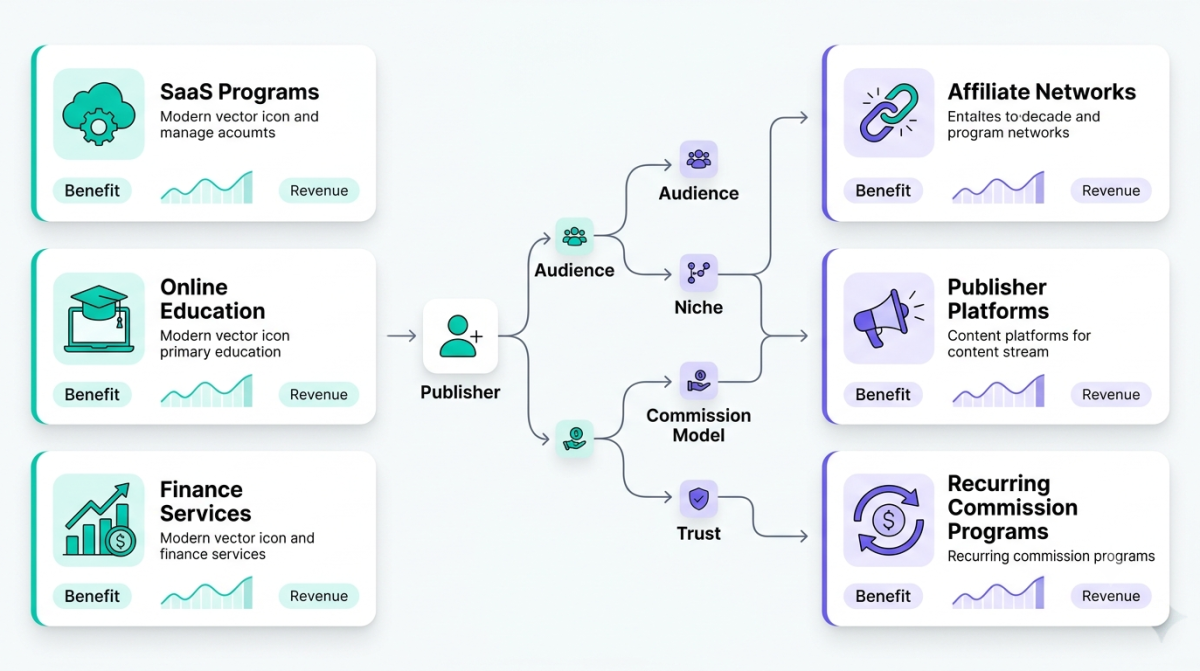
| Affiliate Networks | Direct Affiliate Programs |
|---|---|
| Thousands of advertisers | One specific company |
| Centralised reporting | Dedicated support |
| Easy to discover offers | Often higher commission rates |
| Multiple payment options | Closer relationship with advertiser |
| Suitable for beginners | Ideal for niche specialists |
Publisher Platforms: A Growing Alternative
Over the last few years, another category has become increasingly important—publisher platforms.
Unlike traditional affiliate networks that primarily connect advertisers and affiliates, publisher platforms focus on helping verified publishers, influencers, agencies, and creators discover campaigns, monitor performance, and manage partnerships more efficiently.
These platforms typically provide:
- Campaign discovery.
- Centralised reporting dashboards.
- Transparent tracking.
- Performance analytics.
- Reliable payout management.
- Publisher verification.
For publishers working with multiple advertisers, a publisher platform can simplify campaign management while reducing administrative work.
One example is LinkDividend, which focuses on connecting verified publishers, influencers, agencies, and advertisers through transparent performance tracking and partnership management. Rather than replacing affiliate networks, platforms like this help streamline collaboration and reporting for professional publishers.
Recurring Commission Programs Are Worth Prioritising
One-time commissions can generate impressive earnings, but recurring commissions often create more predictable long-term revenue.
Imagine recommending software that pays £120 once compared with another programme that pays £30 every month.
After only four months, the recurring programme has already produced more revenue from the same customer.
This is why many experienced affiliate marketers deliberately prioritise subscription-based products whenever they genuinely solve their audience’s problems.
Pro Tip
Instead of asking “Which programme pays the biggest commission?”, ask “Which programme creates the highest lifetime value for both my audience and my business?” That single mindset shift often separates sustainable affiliate businesses from short-term commission chasing.
How to Start High Ticket Affiliate Marketing (Step-by-Step Blueprint)
One of the biggest misconceptions about high-ticket affiliate marketing is that you need years of experience before you can earn meaningful commissions.
That simply isn’t true.
What you do need is a structured plan. Most successful publishers don’t begin with expensive software, paid advertising, or thousands of followers. They start by understanding a specific audience, solving real problems, and consistently publishing helpful content.
If I were starting again today with no audience and no affiliate income, this is the exact roadmap I would follow.
Step 1: Choose One Profitable Niche
Everything begins with choosing the right niche.
Many beginners make the mistake of selecting a niche simply because commissions look attractive. Unfortunately, high commissions mean very little if you don’t understand the audience.
Instead, ask yourself these questions:
- What problems are people actively trying to solve?
- Are businesses already spending money in this market?
- Can I consistently create helpful content about this topic?
- Are there premium products or services available?
Some of the strongest high-ticket affiliate niches include:
- SaaS and business software
- Artificial Intelligence tools
- Digital marketing
- Website creation
- Online education
- Business finance
- Creator economy
- Productivity software
Remember, authority grows faster when you specialise.
A website focused entirely on helping small businesses choose CRM software will usually outperform a website trying to review every product on the internet.
Step 2: Find Products That Truly Solve Problems
After choosing your niche, the next step is identifying products that genuinely help your audience.
Don’t begin by asking, “Which programme pays the highest commission?”
Instead ask:
“Which product would I confidently recommend even if there were no commission attached?”
That simple mindset dramatically improves content quality and builds long-term trust.
When evaluating affiliate programmes, look for:
- Excellent customer reviews.
- Strong brand reputation.
- Transparent pricing.
- Reliable tracking.
- Professional affiliate support.
- Recurring commission opportunities.
- High customer satisfaction.
Products that solve expensive business problems generally convert far better than products purchased on impulse.
Step 3: Build Helpful Content Before Promoting Products
Google rewards publishers who educate readers—not websites that simply push affiliate links.
Every article should answer a real question.
Examples include:
- Which CRM software is best for small businesses?
- How does email marketing software compare?
- Is this AI writing tool worth paying for?
- What are the best alternatives?
- How much does this platform actually cost?
Notice that none of these questions start with “Buy now.”
They focus on helping readers make informed decisions.
Useful content naturally attracts qualified visitors, builds trust, and improves affiliate conversions over time.
Step 4: Build Trust Before Expecting Sales
High-ticket customers rarely purchase immediately.
They research, compare options, watch videos, read reviews, and sometimes revisit the same website several times before making a decision.
That’s why trust is your greatest competitive advantage.
You can build credibility by:
- Sharing genuine experiences.
- Publishing balanced reviews.
- Explaining both advantages and disadvantages.
- Including screenshots where appropriate.
- Comparing competing products fairly.
- Updating articles regularly.
Visitors don’t expect every recommendation to be perfect.
They simply expect honesty.
Publisher Insight
Many successful affiliate websites earn more because they occasionally recommend not buying a product. Honest advice builds trust, and trust creates long-term affiliate income.
Step 5: Diversify Your Traffic Sources
Organic search is incredibly valuable, but depending entirely on one traffic source can be risky.
Professional publishers gradually expand into multiple channels, including:
- Google Search (SEO)
- YouTube tutorials
- Email newsletters
- LinkedIn (for B2B topics)
- X (formerly Twitter)
- Industry communities
Every channel introduces your content to new audiences while reducing dependence on a single platform or algorithm.
Over time, these combined traffic sources create a far more stable affiliate business.
Common High Ticket Affiliate Marketing Mistakes (And How to Avoid Them)
Over the years, I’ve reviewed hundreds of affiliate websites, spoken with publishers in different industries, and observed why some websites continue growing while others disappear after only a few months. Surprisingly, most failures don’t happen because affiliate marketing is too competitive. They happen because publishers repeat the same avoidable mistakes. If you can avoid these early, you’ll save months of frustration and dramatically increase your chances of building a profitable affiliate business.Mistake 1: Chasing Commission Instead of Solving Problems
It’s easy to become distracted by affiliate programmes offering extremely high commission rates. However, commission percentage should never be the primary reason for recommending a product. Successful publishers ask a different question:“Does this product genuinely solve my audience’s problem?”When your recommendations consistently help readers make better decisions, conversions happen naturally because trust has already been established.
Mistake 2: Targeting Everyone Instead of One Audience
Many beginners try to build a website that covers every possible topic:- Finance
- Fitness
- Gaming
- Hosting
- AI Tools
- Cryptocurrency
- Travel
Mistake 3: Publishing Thin AI Content Without Real Experience
AI tools can speed up research and content creation, but they cannot replace genuine expertise. Google’s Helpful Content System increasingly rewards content that demonstrates real-world understanding, practical insights, and original value. Whenever possible, include:- Your own observations.
- Real examples.
- Honest opinions.
- Pros and cons.
- Lessons learned.
- Updated information.
Mistake 4: Ignoring Search Intent
Not every keyword generates affiliate income. Understanding search intent is far more important than simply targeting high search volume.| Weak Affiliate Intent | Strong Affiliate Intent |
|---|---|
| What is CRM? | Best CRM for Small Business |
| What is AI? | Best AI Writing Tools |
| Email Marketing | ConvertKit vs Mailchimp |
Mistake 5: Depending on One Traffic Source
Many affiliate websites rely entirely on Google Search. While SEO remains one of the strongest long-term traffic sources, depending on a single platform creates unnecessary risk. Professional publishers gradually diversify by combining:- Organic Search
- Email Marketing
- YouTube
- Communities
- Newsletter Partnerships
Best Practices Used by Successful Affiliate Publishers
After analysing successful publishers across multiple industries, several habits appear consistently.- Publish fewer but significantly better articles.
- Update existing content regularly.
- Focus on topical authority instead of random keywords.
- Build email subscribers alongside SEO traffic.
- Compare products honestly.
- Measure every campaign using analytics.
- Improve pages based on real user behaviour.
Advanced Tips That Can Increase Long-Term Affiliate Income
Once your website begins attracting consistent traffic, small improvements often generate larger results than publishing more articles. Some advanced optimisation strategies include:- Refreshing top-performing articles every few months.
- Adding comparison tables.
- Including FAQ sections based on People Also Ask questions.
- Improving internal linking between related articles.
- Testing different call-to-action placements.
- Tracking click behaviour using analytics.
- Publishing original images and diagrams.
Google EEAT Tips for Affiliate Publishers
Google increasingly evaluates content using principles commonly known as EEAT:- Experience
- Expertise
- Authoritativeness
- Trustworthiness
- Adding a real author profile.
- Keeping articles updated.
- Linking to trusted sources where appropriate.
- Explaining both advantages and disadvantages.
- Using original graphics instead of stock visuals whenever possible.
- Answering readers’ real questions rather than writing only for search engines.
Final Publisher Mindset
The highest-earning affiliate publishers don’t think like advertisers—they think like educators. Every article, comparison, tutorial, and recommendation should leave readers feeling more informed than when they arrived. When you consistently help people make smarter decisions, commissions become a natural outcome rather than the primary goal.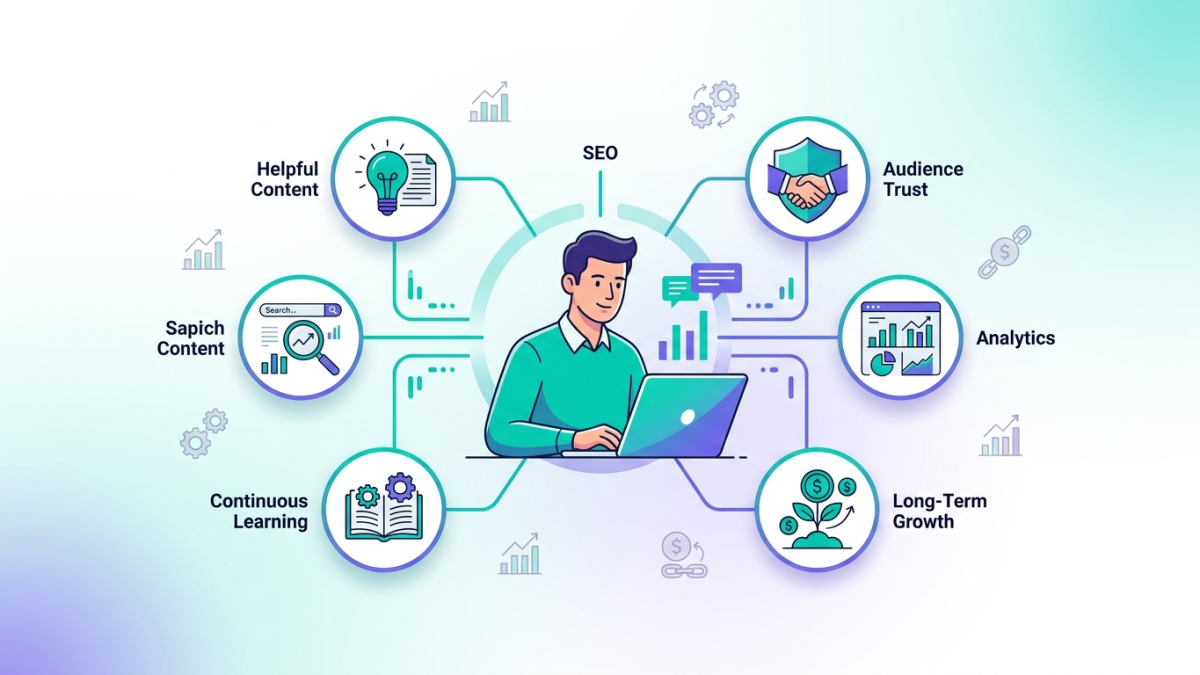
Frequently Asked Questions
Is high ticket affiliate marketing legitimate?
Yes. High-ticket affiliate marketing is a legitimate business model where publishers earn commissions by recommending premium products or services. Success depends on building trust, creating valuable content, and partnering with reputable affiliate programmes—not on unrealistic income promises.How do I become a high ticket affiliate marketer?
Start by choosing a profitable niche, researching products that genuinely solve problems, publishing helpful SEO-focused content, building audience trust, and joining reputable affiliate programmes or publisher platforms. Long-term success comes from consistency rather than shortcuts.What is considered a high ticket affiliate product?
High-ticket affiliate products are typically premium services or products that generate larger commissions per sale. Examples include SaaS software, business services, online education, financial tools, coaching programmes, and enterprise solutions.How much can beginners realistically earn?
Income varies depending on traffic quality, audience trust, and conversion rates. Many beginners earn modest commissions while learning, whereas experienced publishers who consistently create valuable content can generate substantial long-term recurring income.Are recurring commission programmes better than one-time commissions?
Recurring commissions often provide more stable long-term earnings because publishers continue receiving payments while referred customers remain subscribed. However, the best choice depends on your audience and the products you recommend.Continue Learning
If you’re serious about building a sustainable affiliate business, these guides can help you continue learning:- Affiliate Networks Explained: How They Work for Publishers & Advertisers
- How Affiliate Marketing Works: Complete Beginner Guide
- Most Profitable Affiliate Marketing Niches
- Publisher Resources
- Advertiser Solutions
- Influencer Partnerships
Trusted Resources
The following organisations publish reliable guidance related to affiliate marketing, SEO, and digital publishing:- Google Search Central – SEO and Helpful Content guidance
- FTC (Federal Trade Commission) – Affiliate disclosure guidelines
- HubSpot – Digital marketing education
- Ahrefs Blog – SEO research and keyword strategies
- Moz Learning Center – Search engine optimisation resources